
Market Update January 2021 -December Stats Are In – Huge Growth in Average Price. The Market is [Hot and Moving]! Equity is at an All Time High! See Why!

GTA REALTORS® Release December Stats

Despite an unprecedented year due to COVID-19, including necessary public health restrictions and uncertainty surrounding the economy, Greater Toronto Area REALTORS® reported over 95,000 home sales in 2020 – the third-best result on record. The average selling price reached a new record of almost $930,000.

“The Greater Toronto Area housing market followed an unfamiliar path in 2020. Following the steep COVID-induced drop-off in demand during the spring, home sales roared back to record levels throughout the summer and fall. A strong economic rebound in many sectors of the economy, ultra-low borrowing costs and the enhanced use of technology for virtual open houses and showings fuelled and sustained the housing market recovery,” said Lisa Patel, Toronto Regional Real Estate Board (TRREB) President.

Highlights from 2020 include:

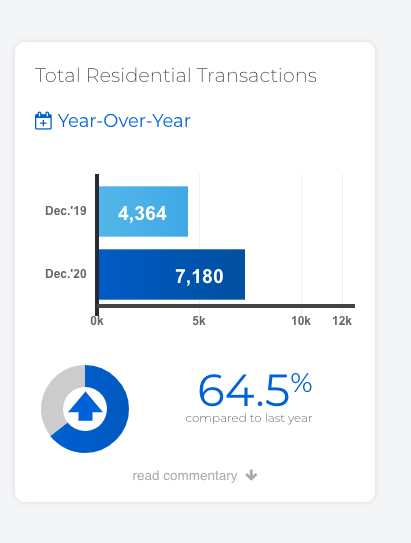
  • 95,151 sales were reported through TRREB’s MLS® System – up by 8.4 per cent compared to 2019. This included a record result for the month of December, with 7,180 sales – a year-over-year increase of 64.5 per cent.
  • Year-over-year sales growth was strongest in the GTA regions surrounding Toronto, particularly for single-family home types.
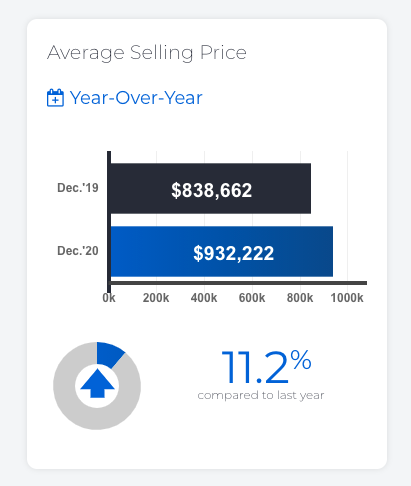
  • The average selling price reached a new record of $929,699 – up by 13.5 per cent compared to 2019. This included an average price of $932,222 in December – a year-over-year increase of 11.2 per cent. The strongest average price growth was experienced for single-family home types in the suburban regions of the GTA.
  • After a pronounced dip in market activity between mid-March and the end of May, market conditions improved dramatically in the second half of the year, with multiple consecutive months of record sales and average selling prices.

“While the housing market as a whole recovered strongly in 2020, there was a dichotomy between the single-family market segments and the condominium apartment segment. The supply of single-family homes remained constrained resulting in strong competition between buyers and double-digit price increases. In contrast, growth in condo listings far-outstripped growth in sales. Increased choice for condo buyers ultimately led to more bargaining power and a year-over-year dip in average condo selling prices during the last few months of the year,” said Jason Mercer, TRREB Chief Market Analyst.

Its Ruth Ballantyne from RE/MAX Realty Services Wishing you a Happy New Year and all the best for 2021.  I hope this year is good to you!  

For the Full Version of the Market Watch Click or Paste in Browser:

Why Right Now May Be the Time to Sell Your House

Why Right Now May Be the Time to Sell Your House | MyKCM

The housing market made an incredible recovery in 2020 and is now positioned for an even stronger year in 2021. Record-low mortgage interest rates are a driving factor in this continued momentum, with average rates hovering at historic all-time lows.

According to the latest Realtors Confidence Index from the National Association of Realtors (NAR), buyer demand across the country is incredibly strong. That’s not the case, however, on the supply side. Seller traffic is simply not keeping up. Here’s a breakdown by state:As the maps show, buyer traffic is high, but seller traffic is low. With so few homes for sale right now, record-low inventory is creating a mismatch between supply and demand.

NAR also just reported that the actual number of homes currently for sale stands at 1.28 million, down 22% from one year ago (1.64 million). Additionally, inventory is at an all-time low with 2.3 months supply available at the current sales pace. In a normal market, that number would be 6.0 months of inventory – significantly higher than it is today.

What does this mean for buyers and sellers?

Buyers need to remain patient in the search process. At the same time, they must be ready to act immediately once they find the right home since bidding wars are more common when so few houses are available for sale.

Sellers may not want to wait until spring to put their houses on the market, though. With such high buyer demand and such a low supply, now is the perfect time to sell a house on optimal terms.

Bottom Line

The real estate market is entering the year like a lion. There’s no indication it will lose that roar, assuming inventory continues to come to market.

Winning as a Buyer in a Sellers’ Market [INFOGRAPHIC]

Winning as a Buyer in a Sellers’ Market [INFOGRAPHIC] | MyKCM

Some Highlights

  • Buying a home in today’s sellers’ market doesn’t have to feel like an uphill battle.
  • Here are four ways to make sure you’re positioned for success when making a home purchase, even when the scale tips toward sellers.
  • Let’s connect to make sure you’re armed for victory in the housing market this season.
  • We prepare your offer with a Compelling Package of information from and about you that helps the seller to know you and gives you an edge in the bidding process!

Why It Makes Sense to Sell Your House This Holiday Season

Why It Makes Sense to Sell Your House This Holiday Season | MyKCM

If you’re one of the many homeowners thinking about taking your house off the market for the holidays, hang on. You definitely don’t want to miss the great selling opportunity you have right now. Here’s why this month is the optimal time to make sure your house is available for holiday buyers.

The latest Existing Home Sales Report from The National Association of Realtors (NAR) shows the inventory of houses for sale has dropped to an astonishing all-time low. It now sits at a 2.5-month supply at the current sales pace.

Why It Makes Sense to Sell Your House This Holiday Season | MyKCM
Currently in Brampton there is 1 Months Supply of Homes! Totally a Sellers Market!

Historically, a 6-month supply is necessary for a ‘normal’ or ‘neutral’ market, in which there are enough homes available for active buyers (See graph below):When the supply of houses for sale is as low as it is today, it’s much harder for buyers to find homes to purchase. This means competition among purchasers rises and more bidding wars take place, making it essential for buyers to submit very attractive offers.

As this happens, prices rise and sellers are in the best position to negotiate deals that meet their ideal terms. So, if your neighbors decide to remove their listings this season, your house may quickly rise to the top of a holiday buyer’s wish list if you stay on the market.

Today, there are many buyers who are ready, willing, and able to purchase. Record-low mortgage rates and a year filled with unique changes have prompted buyers to think differently about where they live and to take action. The supply of homes for sale is not keeping up with this high demand, making now the optimal time to sell your house.

Bottom Line

Home prices are appreciating in today’s sellers’ market. Making your home available over the next few weeks will give you the most exposure to buyers who will be actively competing against each other to purchase it.

How Remote Work Can Power Your Vacation Home Sale

How Remote Work Can Power Your Vacation Home Sale | MyKCM

This year, the opportunity to work remotely has increased the demand for vacation homes. Gay Cororaton, Senior Economist and Director of Housing and Commercial Research at the National Association of Realtors (NAR), notes:

“Working from home is a positive factor in demand for vacation homes.”

Buyers are taking advantage of the fact that working from home might be someplace other than their primary residence – at the beach, in the mountains, or somewhere in between. NAR explains:

Sales in vacation-home counties increased 48% on average year over year in the third quarter; overall, 81% of vacation-home counties saw a year-over-year sales increase.”

Is it Time to Sell Your Vacation Home?

If you’ve been thinking about selling your vacation home, putting it on the market now while demand is high might be your best move. Here are two reasons why.

1. Vacation Homes Are Selling Quickly

These homes are not staying in the market for very long. NAR also notes:

In September, 68% of vacation homes sold in less than a month. Historically, about 30% sell that quickly…It’s a pretty amazing uptick compared to past years.”

2. Home Prices Are Rising

With an increase in demand, prices go up. NAR continues:

“In the third quarter, prices in vacation-home counties rose by about 32% year over year. Seventy-nine percent of these counties experienced year-over-year price gains. NAR defines a vacation-home county as one in which seasonal housing accounts for at least 20% of stock.”

If your vacation home is sitting idle, maybe not attracting as many renters as you usually see, or if you simply want to sell it so you can trade up or take it off your worry list, now may be the time. Demand is high, so you’re in the ideal spot to get a stronger return on your investment today.

Bottom Line

Demand is on the rise, so let’s discuss your next steps when it comes to selling your vacation home.

Don’t Let Buyer Competition Keep You from Purchasing a Home

Don’t Let Buyer Competition Keep You from Purchasing a Home | MyKCM

This year’s record-low mortgage rates sparked high demand among homebuyers. Current homeowners, however, haven’t put their houses on the market so quickly. This makes finding a home to buy today challenging for many potential buyers. With an obstacle like this, those searching for their dream homes may be pressing pause on their searches as we approach the end of the year, but that could be a big mistake for many hopeful house hunters. Here’s why.

According to the most recent Housing Trends Report from the National Association of Home Builders (NAHB):

“The length of time spent searching for a home continues to grow.”

The report indicates that 62% of buyers now spend 3 months or more looking for a home, an increase from 58% one year ago. A primary cause for the delay is the heavy competition today’s buyers face when making an offer on a home. Based on recent data from the National Association of Realtors (NAR), the average house in today’s market receives 3.4 offers before it’s sold. This means for every buyer who purchases a home, there are on average two or three buyers who have to begin their search all over again.

Don’t Let Buyer Competition Keep You from Purchasing a Home | MyKCM

Compared to this time last year, the NAHB report shows that buyers are having more success finding homes in their price range. However, it also notes the percentage of buyers saying they’re getting outbid when they make an offer has jumped from 15% to 27%. Buyers are indicating that bidding wars are a major obstacle to finding their dream home (See graph below):If this is a challenge you’re up against in your home search, you’re not alone. Feeling stuck in the process can be frustrating, but if there’s ever been a year to power through, this is the one. NAHB noted:

“Difficulties finding a home to buy will likely lead 20% of active buyers to give up until next year or later. That share is up from 15% a year earlier.”

Experts anticipate home prices will continue to rise into 2021, and the incredibly low interest rates we’ve seen this year are also forecasted to increase as the economy strengthens. Hopeful homebuyers who decide to hold off on their search until there’s less competition run the risk of finding a more expensive housing market when they start looking again. If affordability is a key motivator behind your decision to buy a home, this winter is still the best time to make it happen.

Bottom Line

Bidding wars may be one of the greatest challenges buyers face in today’s housing market, but they shouldn’t be a deal-breaker. Having the right expert on your side throughout the buying process will give you the advantage you need when it comes to finding the right home and making a competitive offer. If you’re ready to buy this winter, let’s connect to discuss how to position yourself for success.

Three Ways Low Inventory Is a Win for Sellers

Three Ways Low Inventory Is a Win for Sellers | MyKCM

The number of houses for sale today is significantly lower than the high buyer activity in the current housing market. According to Lawrence Yun, Chief Economist for the National Association of Realtors (NAR):

“There is no shortage of hopeful, potential buyers, but inventory is historically low.”

When the demand for homes is higher than what’s available for sale, it’s a great time for homeowners to sell their house. Here are three ways low inventory can help you win if you’re ready to make a move this fall.

1. Higher Prices

With so many more buyers in the market than homes available for sale, homebuyers are frequently entering into bidding wars for the houses they want to purchase. This buyer competition drives home prices up. As a seller, this can definitely work to your advantage, potentially netting you more for your house when you close the deal.

2. Greater Return on Your Investment

Rising prices mean homes are also gaining value, which drives an increase in the equity you have in your home. In the latest Homeowner Equity Insights ReportCoreLogic explains:

“In the second quarter of 2020, the average homeowner gained approximately $9,800 in equity.”

This year-over-year growth in equity gives you the ability to put that money toward a down payment on your next home or to keep it as extra savings.

3. Better Terms

When we’re in a sellers’ market like we are today, you’re in the driver’s seat if you sell your house. You have the power to sell on your terms, and buyers are more likely to work with you if it means they can finally move into their dream home.

So, is low housing inventory a big deal?

Yes, especially if you want to sell your house at the perfect time. Today’s market gives sellers immense negotiating power. However, it won’t last forever, especially as more sellers return to the housing market next year. If you’re considering selling your house, the best time to do so is now.

Bottom Line

If you’re interested in taking advantage of the current sellers’ market, let’s connect today to determine your best move in our local market.

Buyer Interest Is Growing among Younger Generations

Buyer Interest Is Growing among Younger Generations | MyKCM

The demand for homes this year is extraordinary as record-breaking numbers of hopeful buyers continue to shop for homes. In a normal year, the peak homebuying season comes to a close by early fall. However, 2020 is anything but a normal year, and the housing market is no exception. Lawrence Yun, Chief Economist for the National Association of Realtors (NAR), explains:

Home sales traditionally taper off toward the end of the year, but in September they surged beyond what we normally see during this season…I would attribute this jump to record-low interest rates and an abundance of buyers in the marketplace, including buyers of vacation homes given the greater flexibility to work from home.”

What’s drawing so many buyers to the market?

As Yun mentioned, record-low interest rates are key. Today’s rates are strengthening purchasing power for buyers, too. Sam Khater, Chief Economist at Freddie Macemphasizes:

“Mortgage rates today are on average more than a full percentage point lower than rates over the last five years.”

If you’re a homebuyer right now, there’s no question that you want to take advantage of this opportunity – and you’re not alone. Competition among buyers is definitely increasing as more buyers enter the market and mortgage interest rates remain so low.

Who’s planning to buy a home right now?

Today’s affordability is appealing to all generations and seems to be especially attractive to younger buyers who want to begin growing their wealth through homeownership. There’s a distinct increase this year in the percentage of those in younger generations searching for homes. The National Association of Home Builders (NAHB) notes:

“Between the third quarters of 2019 and 2020, the share of Gen Z adults planning a home purchase rose three points to 14%. Millennials, however, are the generation most likely to be considering buying a home (22%).”

Buyer Interest Is Growing among Younger Generations | MyKCM

Here’s a graph showing the year-over-year increase in homebuying interest by generation:According to Mark Fleming, Chief Economist for First American, millennials are reaching their prime home-buying years, a likely driver in this increase:

“Record low mortgage rates and millennials continuing to age into their prime home-buying years has boosted demand, but a lack of housing supply remains a challenge.”

What’s the biggest challenge for today’s buyers?

Finding a home, however, as Fleming notes above, is clearly a challenge today. Yun also explains:

“There is no shortage of hopeful, potential buyers, but inventory is historically low.”

With so many buyers actively searching for homes this year and so few houses for sale, it’s more important than ever to work with a trusted real estate professional to navigate today’s market. From pre-approval to bidding wars and guidance on down payment assistance resources, having an agent by your side might make the difference in your ability to land your dream home.

Bottom Line

Let’s connect if you’re ready to buy a home. More buyers mean more competition, so you need an expert guide to help you stand out from the crowd.

2020 Homebuyer Preferences [INFOGRAPHIC]

2020 Homebuyer Preferences [INFOGRAPHIC]

2020 Homebuyer Preferences [INFOGRAPHIC] | MyKCM

Some Highlights

  • A recent study from HarrisX shows the current health crisis isn’t slowing down today’s homebuyers.
  • Many buyers are accelerating their timelines to take advantage of low mortgage rates, and staying home has enabled some to save more money to put toward a down payment.
  • Let’s connect today if your needs have recently changed and you’re ready to make a move this year.

Some Highlights

  • A recent study from HarrisX shows the current health crisis isn’t slowing down today’s homebuyers.
  • Many buyers are accelerating their timelines to take advantage of low mortgage rates, and staying home has enabled some to save more money to put toward a down payment.
  • Let’s connect today if your needs have recently changed and you’re ready to make a move this year.

Will We See a Surge of Homebuyers Moving to the Suburbs?

Will We See a Surge of Homebuyers Moving to the Suburbs? | MyKCM

As remote work continues on for many businesses and Canadians weigh the risks of being in densely populated areas, will more people start to move out of bigger cities? Spending extra time at home and dreaming of more indoor and outdoor space is certainly sparking some interest among homebuyers. Early data shows an initial trend in this direction of moving from urban to suburban communities, but the question is: will the trend continue?

According to recent data from Zillow, there is a current surge in urban high-end listings in some larger metro areas. The month-over-month increase in these homes going on the market indicates more urban homeowners may be ready to make a move out of the city, particularly at the upper end of the market.

Why are people starting to move out of larger cities?

With the ongoing health crisis, it’s no surprise that many people are starting to consider this shift. A July survey from HomeLight notes the top reasons people are actually moving today:

  1. More interior space
  2. Desire to own
  3. Move from city to suburbs
  4. More outdoor space

More space, proximity to fewer people, and a desire to own at a more affordable price point are highly desirable features in this new era, so the list makes sense.

John Burns Consulting notes:

“The trend is accelerating faster than anyone could have predicted. The need for more space is driving suburban migration.”

In addition, Sheryl Palmer, CEO of Taylor Morrison, a home building company, indicates:

“Most recently, we’re really seeing a pickup in folks saying they want more rural or suburban locations. Initially, there was a lot of talk about that, but it’s really coming through our buyers today.”

The National Association of Home Builders (NAHB) also shares:

“New home demand is improving in lower density markets, including small metro areas, rural markets and large metro exurbs, as people seek out larger homes and anticipate more flexibility for telework in the years ahead. Flight to the suburbs is real.”

Will the shift pick up speed and continue on?

The question remains, will this interest in suburban and rural living continue? Some, like Lawrence Yun, Chief Economist at the National Association of Realtors (NAR) think the possibility is there, but it is still quite early to tell for sure. Yun notes:

“Homebuyers considering a move to the suburbs is a growing possibility after a decade of urban downtown revival…Greater work-from-home options and flexibility will likely remain beyond the virus and any forthcoming vaccine.”

While much of the energy behind this trend has largely been accelerated by the current health crisis, monitoring the momentum over time is critically important. Businesses are discovering new and innovative ways to function in remote environments, so the shift has the potential to stick. Much like the economic recovery, however, the long-term impact may hinge largely on the health situation throughout this country.

Bottom Line

Early data is showing a shift from urban to suburban markets, but keeping an eye on this trend will help us understand how it will ultimately play out. It may just be a temporary swing in a new direction until we once again feel a sense of comfort in the cities they’ve grown to love.